Jun 13, 2026
Maximising Diamond Tool Life Through Proper Bond Selection
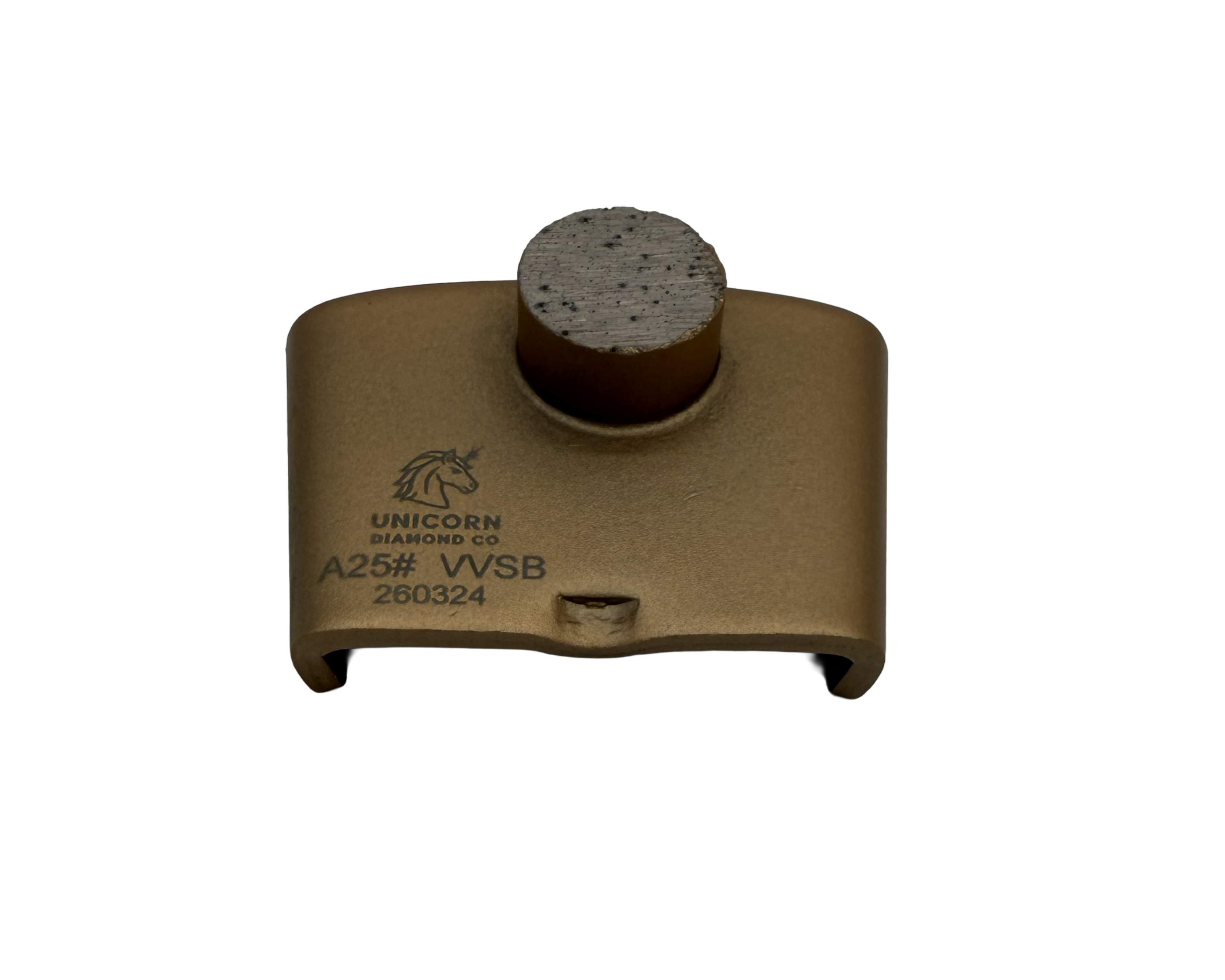
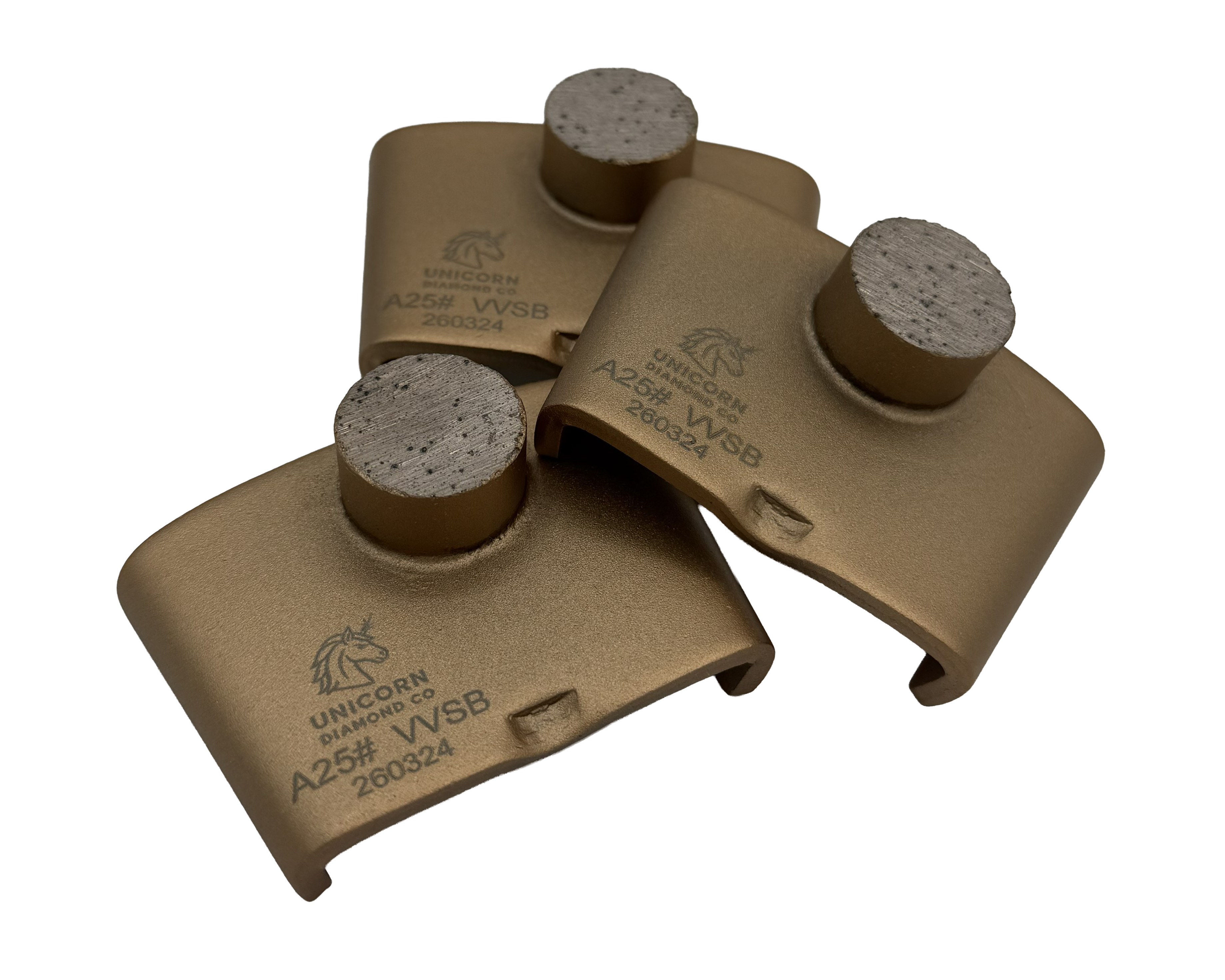
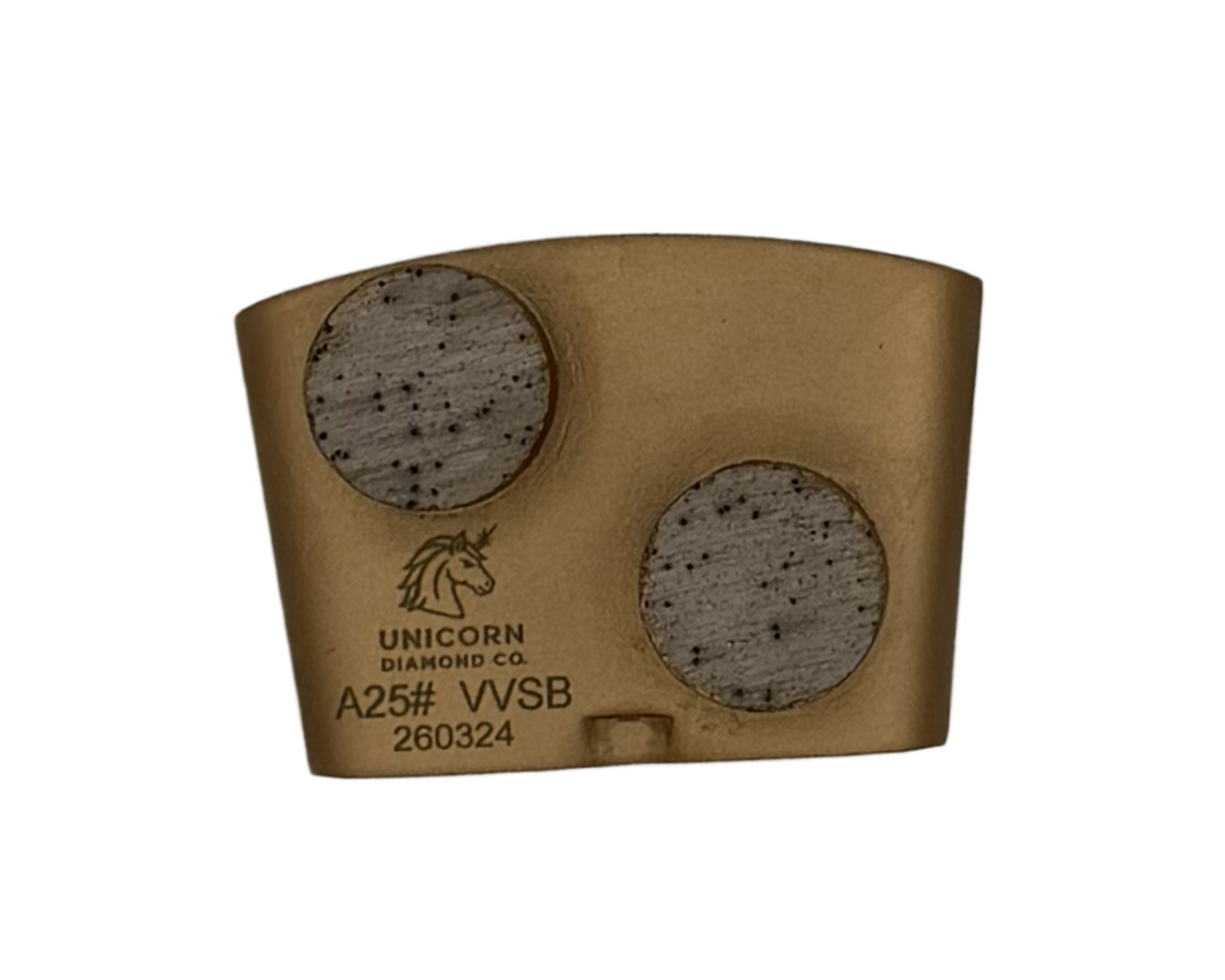
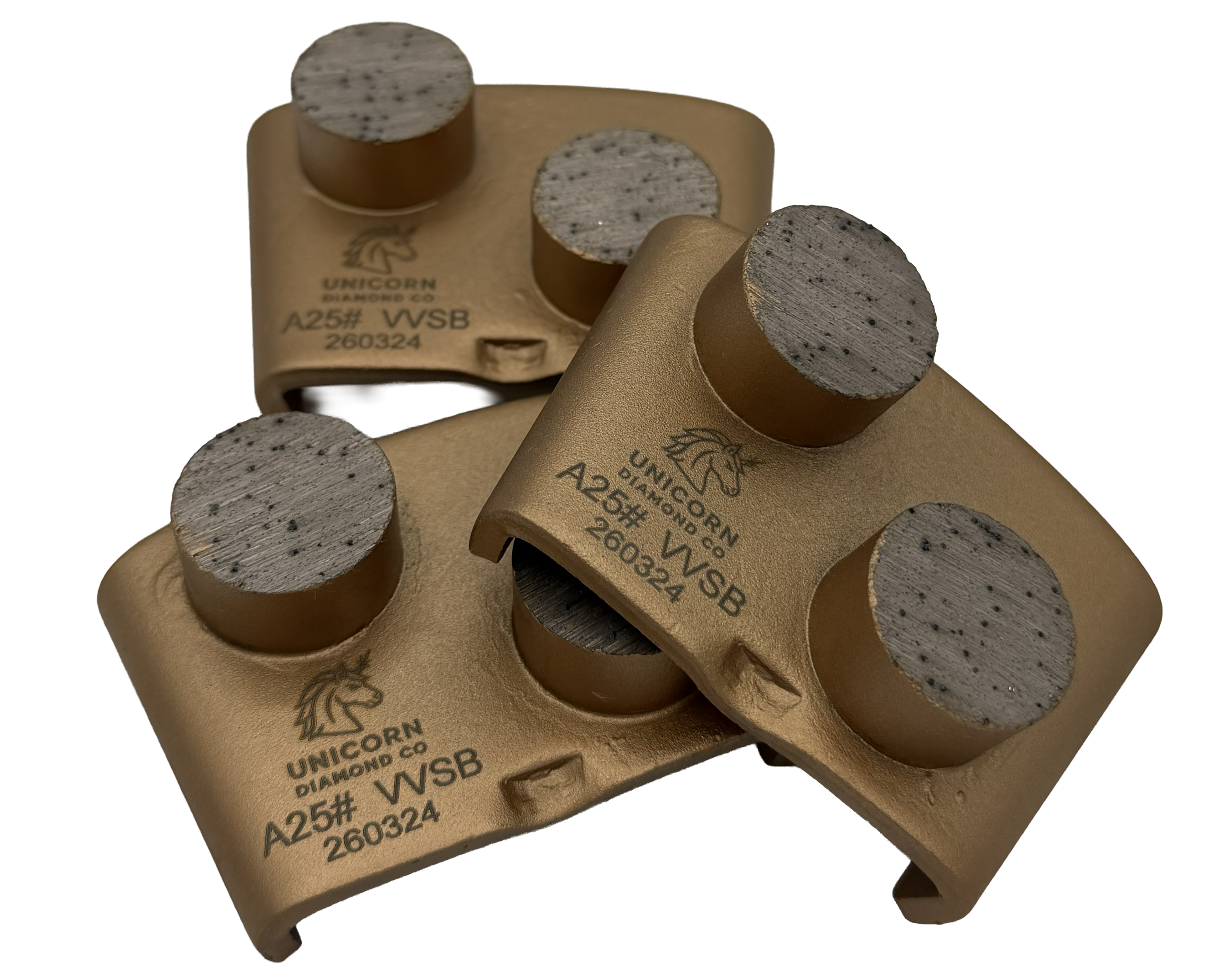
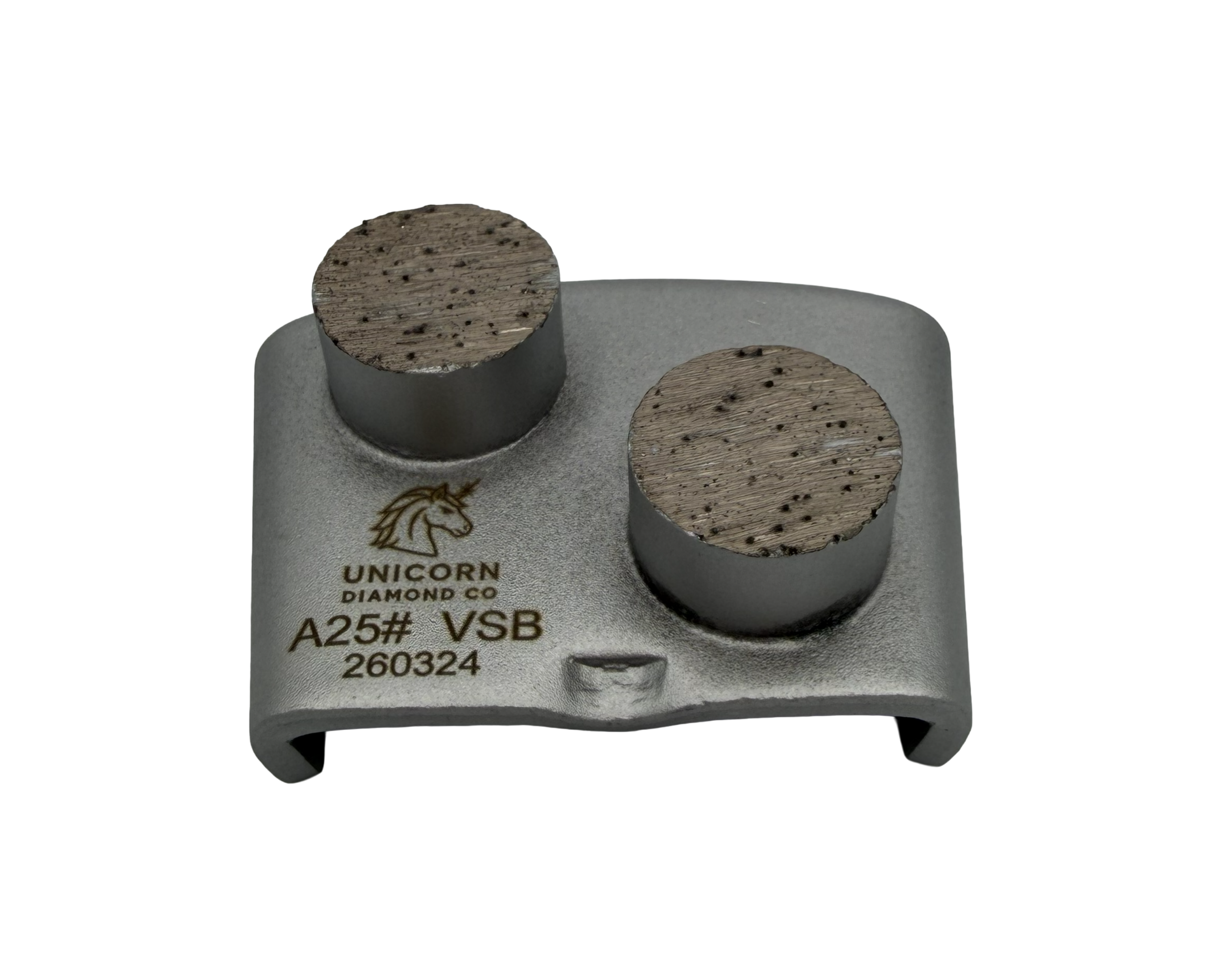
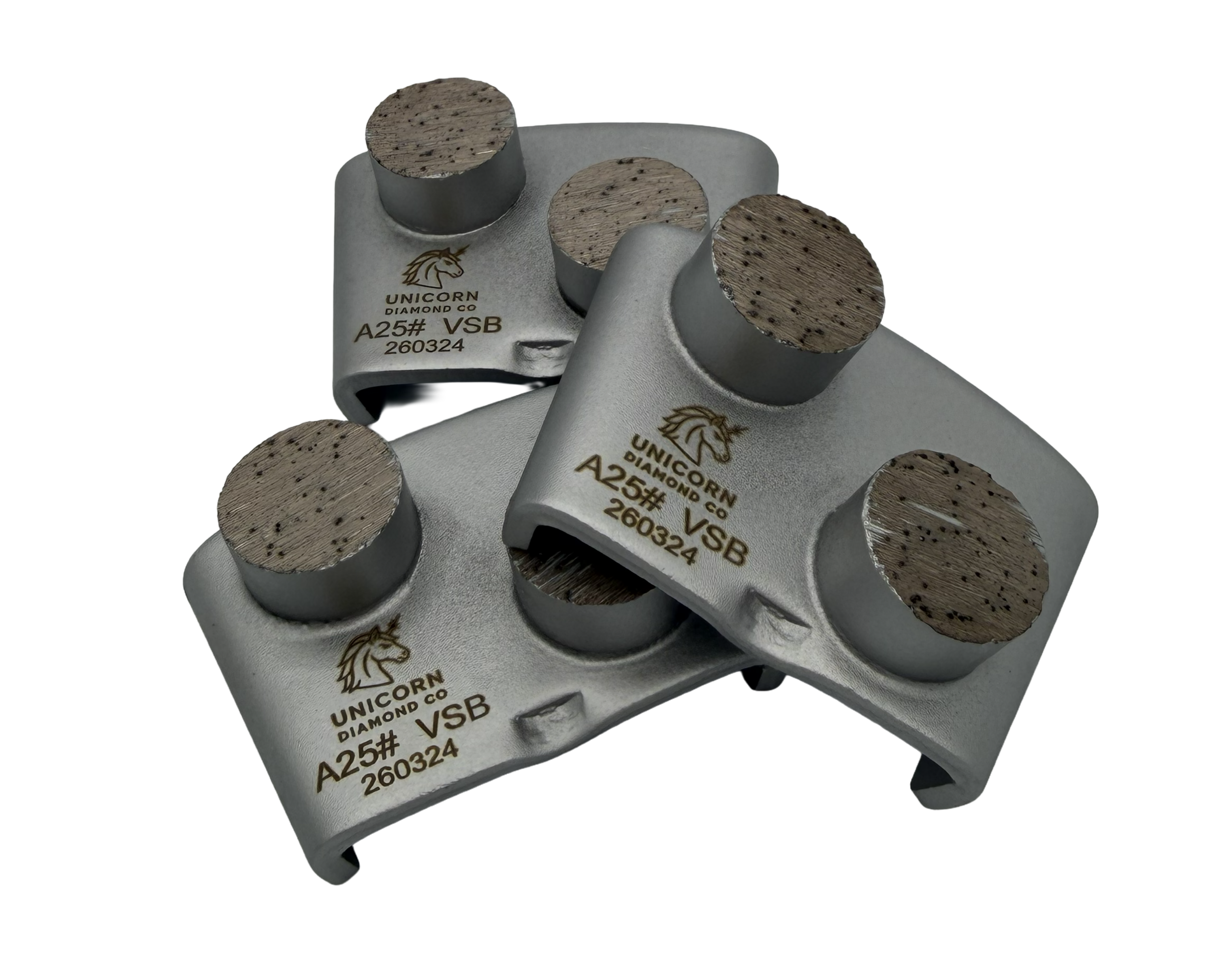
Selecting the correct metal bond diamond tooling is one of the most important factors in achieving efficient concrete grinding and surface preparation. While many contractors focus on diamond grit size, the bond itself often has a greater impact on tool performance, cutting speed, tool life, and overall project costs.
Understanding how metal bonds work can help you maximise productivity, reduce tooling consumption, and achieve a more consistent grinding result.
What Is a Metal Bond?
The "bond" of a diamond tool refers to the metal matrix that holds the diamond particles in place. As the tool grinds the concrete surface, both the diamonds and the metal bond wear away.
The rate at which the bond wears is critical. If the bond wears too slowly, fresh diamonds are not exposed quickly enough, causing the tool to glaze over and lose its cutting ability. If the bond wears too quickly, diamonds are released prematurely, resulting in excessive tooling consumption and increased costs.
The goal is to match the bond hardness to the hardness of the concrete being ground.
Why Bond Selection Matters
Concrete varies significantly in hardness from project to project. Factors such as mix design, aggregate type, curing conditions, age, and finishing methods all influence the hardness of the slab.
Because of these variations, a single diamond tool cannot efficiently grind every floor.
The general rule is simple:
Hard concrete requires soft bond tooling.
Soft concrete requires hard bond tooling.
While this may seem counterintuitive, understanding why this works is essential.
Soft Bonds for Hard Concrete
Hard concrete is highly abrasive to diamond tools and tends to wear the exposed diamonds slowly. If a hard bond is used on hard concrete, the bond will not wear away quickly enough to expose fresh diamonds beneath the surface.
This causes the tool to become glazed, reducing cutting performance and increasing heat generation.
Soft bond tools solve this problem by wearing away more rapidly, continuously exposing new sharp diamonds and maintaining an aggressive cutting action.
Benefits of Soft Bond Tooling
- Maintains consistent cutting performance on hard concrete.
- Reduces glazing and tool loading.
- Exposes fresh diamonds more frequently.
- Improves grinding efficiency.
- Helps achieve faster production rates.
Typical Applications
- High-strength concrete slabs.
- Burnished or highly polished concrete.
- Industrial warehouse floors.
- Concrete strengths above 32 MPa.
Hard Bonds for Soft Concrete
Soft concrete wears away the metal bond much faster than hard concrete. If a soft bond tool is used on soft concrete, the bond may wear excessively, causing diamonds to be released before they have been fully utilised.
This results in unnecessary diamond consumption and significantly reduced tool life.
Hard bond tooling resists wear, allowing the diamonds to remain in the tool longer and maximise their cutting potential.
Benefits of Hard Bond Tooling
- Extends tool life on abrasive surfaces.
- Reduces diamond wastage.
- Lowers tooling costs.
- Provides more consistent grinding performance.
- Improves overall project profitability.
Typical Applications
- Green or newly placed concrete.
- Soft and abrasive concrete surfaces.
- Residential slabs.
- Concrete strengths below 25 MPa.
Understanding Bond Classifications
Most manufacturers classify metal bonds according to the hardness of the concrete they are designed to grind.
Very Soft Bond Metals
Designed for extremely hard concrete surfaces.
Recommended for:
- Concrete strengths above 40 MPa.
- Extremely dense or burnished slabs.
- Difficult grinding conditions where standard tooling struggles to cut.
Soft Bond Metals
Designed for hard concrete.
Recommended for:
- Concrete strengths between 32–40 MPa.
- Commercial and industrial floors.
- General grinding of dense concrete surfaces.
Medium Bond Metals
The most versatile option for average concrete conditions.
Recommended for:
- Concrete strengths between 25–32 MPa.
- General-purpose grinding.
- Projects where concrete hardness is relatively unknown.
Hard Bond Metals
Designed for softer, more abrasive concrete.
Recommended for:
- Concrete strengths below 25 MPa.
- Residential slabs.
- Green concrete.
- Abrasive surfaces that rapidly wear tooling.
Common Signs You Have the Wrong Bond
Choosing the wrong bond often becomes obvious once grinding begins.
Signs the Bond Is Too Hard
- Tool stops cutting effectively.
- Diamonds become shiny or glazed.
- Increased machine vibration.
- Excessive heat generation.
- Slow production rates.
Signs the Bond Is Too Soft
- Tool wears out rapidly.
- Excessive diamond consumption.
- High tooling costs.
- Uneven wear patterns.
- Frequent tooling replacement.
If either of these conditions occurs, changing bond hardness can dramatically improve performance.
Factors Beyond Concrete Strength
While MPa strength provides a useful starting point, it should not be the only factor considered when selecting tooling.
Other variables include:
- Aggregate hardness and composition.
- Surface contamination and coatings.
- Age of the concrete.
- Moisture content.
- Grinding method (wet or dry).
- Machine weight and grinding pressure.
Experienced contractors often perform a small test area before committing to a full tooling setup.
Final Thoughts
Selecting the correct metal bond is critical to achieving efficient grinding performance and maximising diamond tool life. Matching the bond hardness to the concrete hardness allows the diamonds to remain exposed and productive throughout the grinding process.
Remember the golden rule:
Hard concrete = Soft bond tooling
Soft concrete = Hard bond tooling
By understanding how metal bonds work, contractors can reduce tooling costs, improve grinding efficiency, and consistently achieve better results on every project.
At Unicorn Diamond Co, our metal bond diamond tooling has been developed and tested across a wide range of concrete conditions to ensure contractors have the right tool for every floor. If you're unsure which bond is best suited to your project, our team can help you identify the most effective tooling solution for maximum performance and value.