Jun 13, 2026
Understanding Wet and Dry Polishing Resins
Achieving a high-quality polished concrete finish requires more than just selecting the right machine and tooling. One of the most important decisions during the polishing process is choosing between wet polishing resins and dry polishing resins. Each resin type has been specifically designed for different applications and understanding their strengths and limitations can significantly improve both productivity and final floor quality.
What Are Concrete Polishing Resins?
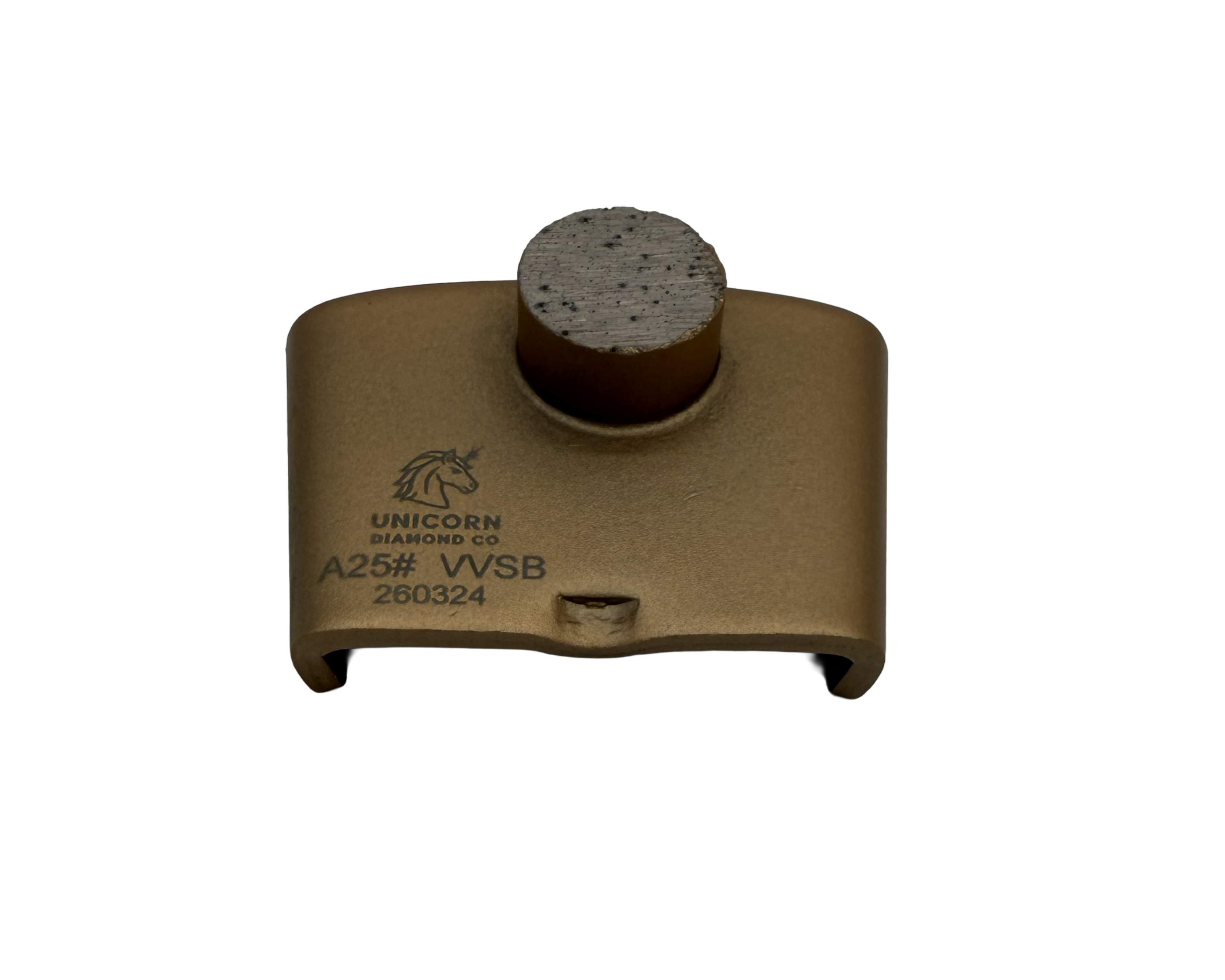
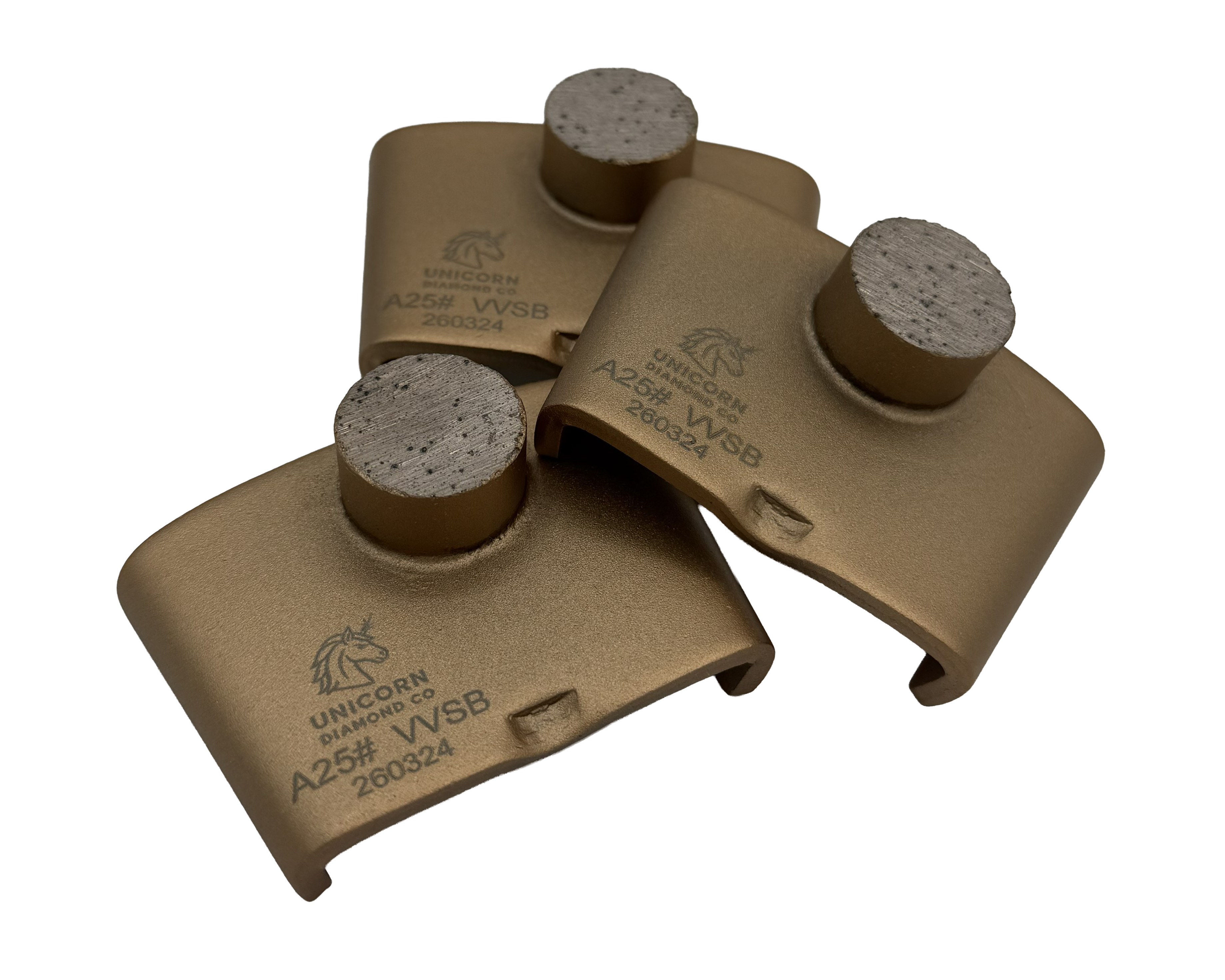
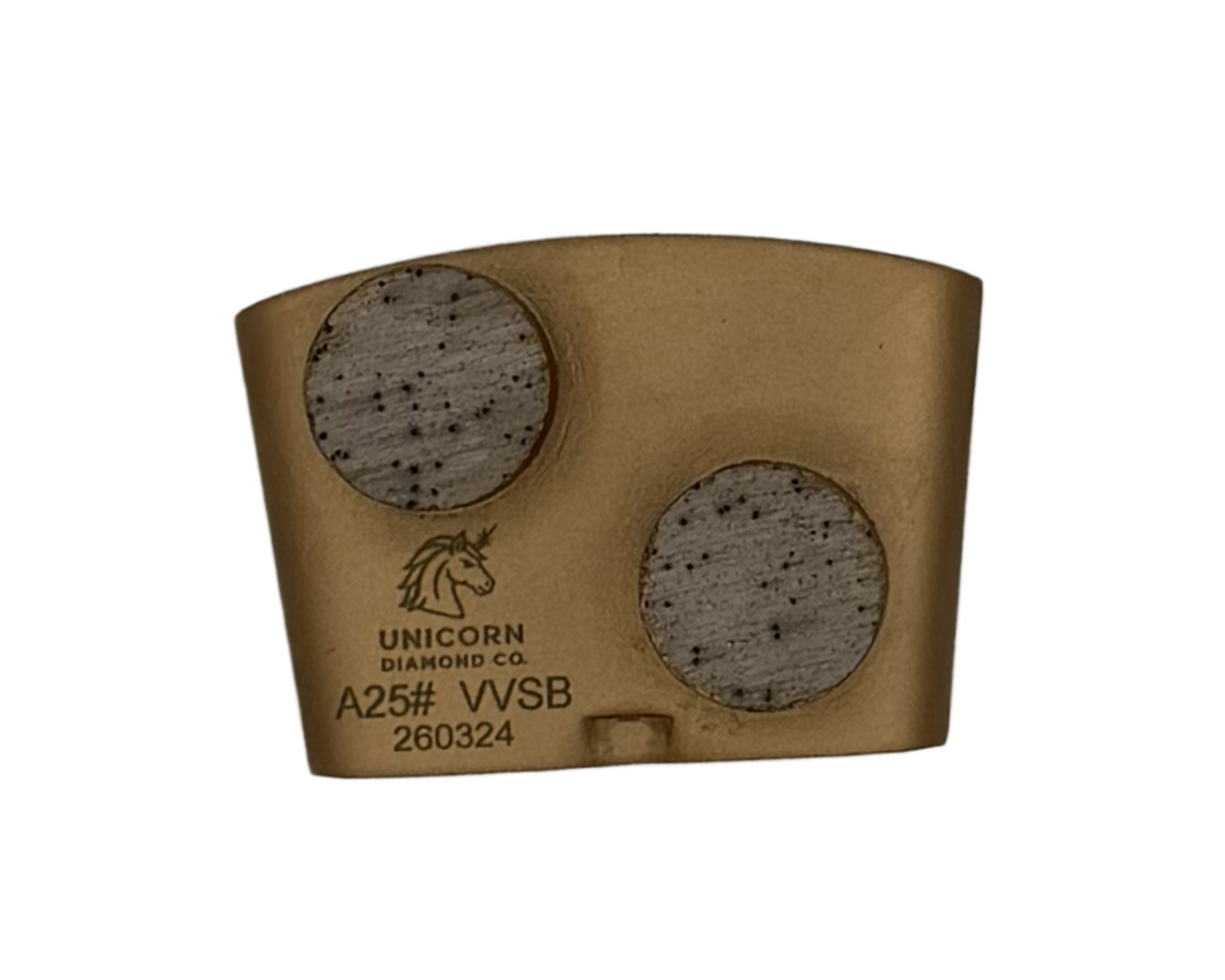
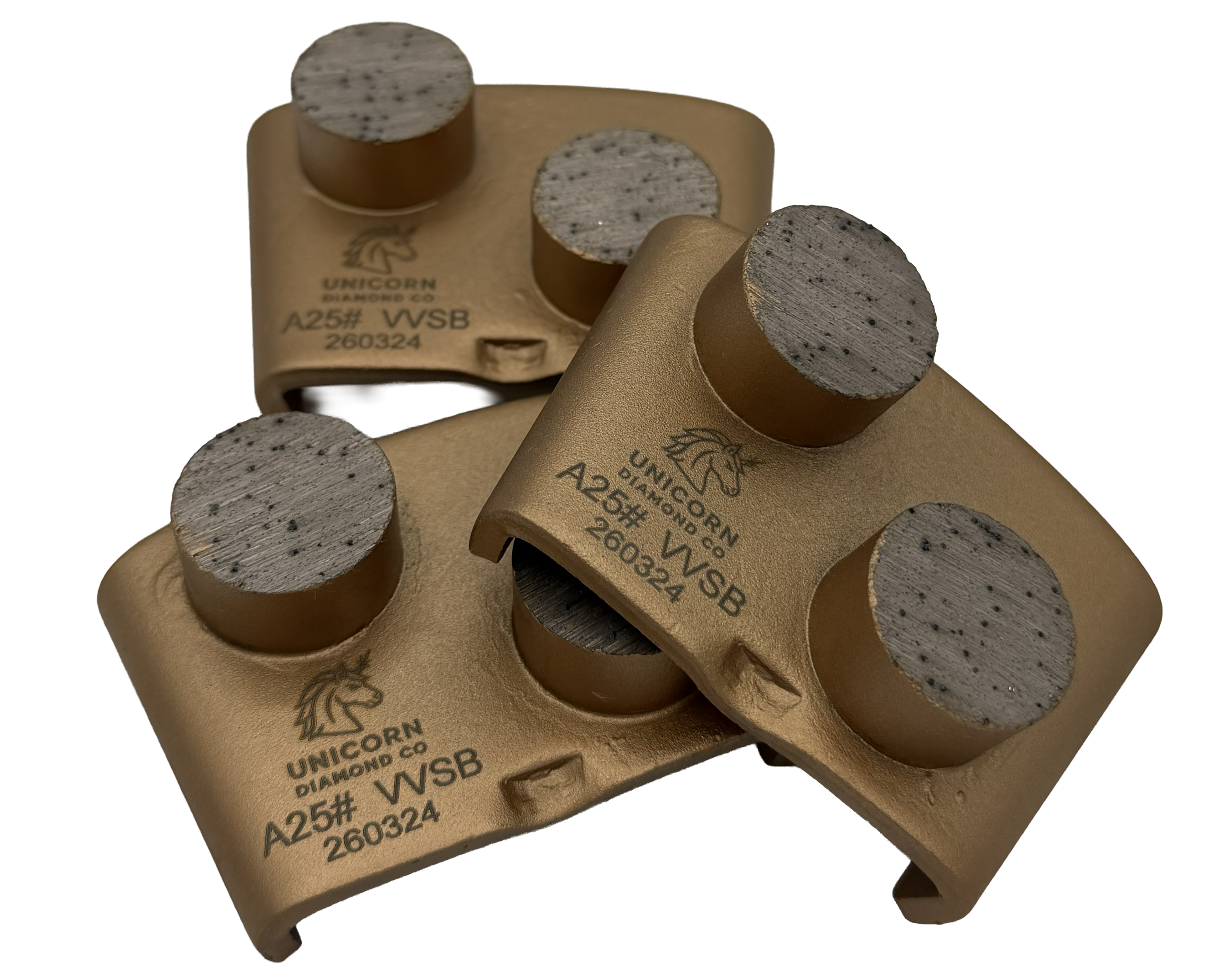
Resin polishing pads are used during the later stages of concrete polishing to refine the surface, remove scratches, increase clarity, and develop the desired level of gloss. Like metal bond diamond tools, resins are manufactured with different bond densities depending on their intended application.
The primary distinction is between wet polishing resins and dry polishing resins.
Understanding Wet Polishing Resins
Wet polishing resins are manufactured with a much denser resin bond. When used with water, they provide an aggressive polishing action that efficiently removes surface contaminants while producing a smooth finish.
Water acts as both a lubricant and cooling agent, reducing friction and helping the resin maintain consistent cutting performance. Wet polishing has long been a preferred method in large-scale commercial polishing projects where rapid material removal is required.
Advantages of Wet Polishing Resins
- Fast removal of dried grout, slurry residue, and densifier build-up.
- Simultaneously cleans the floor surface during polishing.
- Excellent tool life when grouting and D-rubbing.
- Can remove minor scratches left behind by metal bond diamonds.
- Aggressive polishing action when used correctly with water.
- Effective for restoring heavily contaminated or damaged concrete surfaces.
Disadvantages of Wet Polishing Resins
- Creates significant slurry and mess if not properly managed.
- Not suitable for every project or job site environment.
- Can reduce overall gloss potential by washing resin material from the floor surface.
- Leaves visible resin swirl marks if operated without sufficient water.
- Lower grit resins can remove grout from pinholes and imperfections.
- Requires drying time before inspection, further polishing, or sealing.
- Reduced visibility during operation makes it harder to monitor floor quality.
- Often requires two operators—one running the machine and another managing slurry extraction.
Understanding Dry Polishing Resins
Dry polishing resins are manufactured with a much softer resin bond. Unlike wet resins, they are specifically designed to operate without water while maintaining aggressive polishing performance and minimising swirl marks.
Dry polishing has become increasingly popular due to advances in dust extraction systems and the demand for faster project completion times.
Advantages of Dry Polishing Resins
- Builds resin material onto the surface, helping achieve higher gloss levels.
- Leaves a clean, densifier-free surface during D-rubbing operations.
- Produces a relatively clean work environment when paired with effective dust extraction.
- Can often be performed by a single operator.
- Eliminates drying time, allowing immediate progression to finer grits and sealing.
- Provides excellent visibility of the floor throughout the polishing process.
- Ideal for producing premium decorative polished concrete finishes.
Disadvantages of Dry Polishing Resins
- Generally slower than wet polishing for heavy material removal.
- Multiple passes may be required to fully clean the floor before advancing to finer grits.
- Edge work and hand polishing can be time-consuming.
- Cannot effectively remove metal bond scratches that were not properly refined earlier in the process.
- Softer resin bond wears rapidly if water is introduced during operation.
When Should You Use Wet Resins?
Wet polishing resins are often the preferred choice when:
- Removing dried grout residue.
- Removing excess densifier build-up.
- Performing heavy D-rubbing operations.
- Correcting minor metal bond scratches.
- Working on floors requiring aggressive refinement.
Many contractors also use wet polishing during intermediate polishing stages before transitioning to dry polishing for the final gloss-building steps.
When Should You Use Dry Resins?
Dry polishing resins are ideal when:
- Maximising gloss and clarity is the primary objective.
- A clean work environment is required.
- Fast project turnaround is important.
- Applying densifiers and sealers shortly after polishing.
- Producing decorative polished concrete floors in commercial or residential environments.
Dry polishing is particularly effective during the final stages of polishing where surface clarity and gloss development become critical.
Which Method Produces the Best Finish?
There is no universal answer. The best polishing professionals understand that both wet and dry resin systems have a place within a complete polishing process.
Wet resins excel at aggressive cleaning, scratch removal, and floor preparation. Dry resins excel at gloss enhancement, clarity, and efficient finishing. Many experienced contractors achieve the best results by incorporating both systems strategically throughout the polishing sequence.
The key is selecting the right resin type for the specific stage of the job rather than relying exclusively on one method.
Final Thoughts
Choosing between wet and dry polishing resins can dramatically affect productivity, floor appearance, gloss levels, and overall project costs. Understanding the strengths and limitations of each system allows contractors to optimise their polishing process and consistently deliver superior results.
At Unicorn Diamond Co, we supply professional-grade concrete polishing resins designed to help contractors achieve exceptional performance, whether working wet, dry, or with a hybrid polishing system. Selecting the correct resin for each stage of polishing is one of the most effective ways to improve floor quality and maximise tool life.